A one-in-9,765,625 chance is exactly what Unfair Flips asks a player to chase from the very first flip, and the game is upfront that nothing about reaching it is guaranteed, no matter how many coins get flipped along the way.
A Coin That Starts Out Actually Unfair
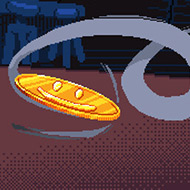
The premise is as blunt as the title: flip a coin that starts with only a 20% chance of landing on heads, and try to string together ten heads in a row. Doing the math on that starting probability puts the odds of ten straight heads, from a completely cold start, at roughly one in 9,765,625 — a number the game doesn’t hide from the player, since the whole point is confronting exactly how unlikely the goal is at the outset.
What keeps this from being a pure exercise in frustration is that the coin itself isn’t static. Chaining successful heads flips lets a player upgrade the coin over time, gradually shifting those odds in a more forgiving direction. Success is never guaranteed at any stage, though — the game is explicit that true randomness means even a string of ten heads from the very first flip, while astronomically unlikely, remains technically possible.
That tension between “technically possible” and “practically hopeless” is where most of the game’s identity sits. It’s less about mastering a system and more about sitting with genuine probability and watching how it feels to lose to bad luck even when every upgrade has been earned correctly.
Chaining Heads to Climb Toward Better Odds
Because the coin starts so heavily weighted against the player, the early stretch of a run is mostly about survival — landing enough consecutive heads to unlock the upgrades that make the next attempt slightly less punishing. Losing a long streak near the end resets a lot of that hard-won progress, which is the moment most players describe as the game’s real gut-punch.
- Does the coin’s starting probability ever change between runs? The coin always begins at the same disadvantaged odds; any improvement comes from upgrades earned by chaining successful flips within that run, not from a changing baseline.
- Is it possible to get ten heads in a row with no upgrades at all? Yes, in the sense that true randomness allows it — the game states plainly that the first ten flips could all land heads from a cold start, even though the odds of that happening are astronomically low.
- What happens when a streak breaks? A broken streak sends a player back to chaining from a weaker position, since most of the coin’s improved odds are tied to consecutive successes rather than a permanent account-wide upgrade.
The Genre This Game Is Quietly Making Fun Of
Unfair Flips borrows the visual language of a casual incremental clicker — simple pixel graphics, a single repeated action, a steady drip of upgrades — but its own tags lean into gambling and psychological horror alongside the usual casual and indie labels. That combination isn’t an accident. The game is built to feel like the kind of low-stakes clicker a player might open for a few idle minutes, and then to slowly reveal how uncomfortable it feels to watch a genuinely unfair system grind against a player who has done everything right.
Achievements built around the game reward exactly the kind of milestones this structure implies: surviving a long streak, recovering from a bad break, or finally reaching that ten-heads target after enough chained upgrades to make the odds bearable rather than impossible.
Reception has been strongly positive, with reviewers responding to the game specifically because it commits to honest randomness instead of quietly rigging outcomes behind the scenes — the frustration players describe is aimed at probability itself, not at a sense that the game is cheating them.
Common Mistakes Players Make Early On
New players often assume the coin’s odds improve automatically over time, when in fact every improvement is earned specifically through chaining consecutive heads — there’s no passive drift toward fairness built into the base mechanic. Treating a single successful flip as safety, rather than as one link in a chain that needs to be protected, is the other common misstep, since Unfair Flips punishes overconfidence immediately the moment a streak snaps.
The most consistent piece of community advice is to treat early losses as expected rather than as a sign something’s broken. A coin that starts at 20% heads odds is, by design, going to fail far more often than it succeeds until enough upgrades change that math.
What the Tags Say About Unfair Flips
The game’s own listing groups it under Casual, Indie, Incremental, Simulation, Pixel Graphics, Gambling, Comedy, Psychological Horror, and Roguelike, and that mix says a lot about how the whole experience is framed. The pixel-graphics presentation keeps the visuals deliberately simple, which puts all the attention on the coin itself rather than any surrounding spectacle.
The Roguelike tag fits the run structure specifically: because most of a coin’s improved odds are built up through an unbroken chain of heads within a single attempt, a bad break doesn’t just cost a few flips, it effectively resets a run back toward the same disadvantaged starting position that opened the game.
The Comedy tag sits a little oddly alongside Psychological Horror, but that combination is really the whole joke of the presentation: a chirpy, simple clicker interface delivering a genuinely bleak lesson about probability, with the humor coming from how earnestly the game commits to the bit rather than from any jokes written into its text.
Between the pixel-art presentation, the fourteen achievements built around surviving its worst odds, and a Roguelike streak structure that punishes any broken chain, Unfair Flips never pretends the deck isn’t stacked — it tells a player outright that ten heads from a cold start sits at roughly one in 9,765,625, and then dares them to chain enough small wins together to make that number feel less impossible than it sounds on the very first flip.