
Casual Games

























- 1
- 2
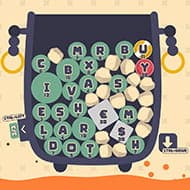
Casual Games cover match-three puzzles, simple runners, tile arrangements, and light word challenges designed to be picked up in a spare minute and set aside just as easily. On Thechoicervoicergame, this section works as a low-commitment entry point for players who want quick entertainment without a steep learning curve.
What Sets This Category Apart
The defining trait of this category is not a specific mechanic but a shared design philosophy: rules that can be understood within seconds, sessions that rarely demand more than a few minutes, and a forgiving approach to mistakes in every game. A missed match or a wrong tile placement rarely ends a round permanently; instead, the player simply tries again with little lost. This lowers the barrier for anyone, regardless of prior experience with puzzle logic or strategy.
- Match-three and tile-matching puzzles
- Simple endless runners with minimal controls
- Word and letter arrangement challenges
- Number and pattern-based logic puzzles
- Light physics toys with drag-and-drop interaction
Session Length as a Design Principle
Round length is treated as a deliberate constraint rather than an afterthought. Many Casual Games cap a single round at under two minutes, either through a limited number of moves, a countdown timer, or a fixed board size that naturally resolves. This structure suits situations where attention is split — a short wait, a quick break between tasks — since a round can be completed without needing to remember complex state afterward.
Difficulty Progression Without Steep Spikes
Unlike games built around escalating challenge for its own sake, Casual Games tend to raise difficulty gradually and predictably. Later boards might introduce a new obstacle tile or a slightly tighter move limit, but the underlying rules stay the same throughout. This consistency means a player rarely needs to relearn mechanics partway through, which keeps long play stretches — jumping from round to round — feeling smooth rather than disjointed.
- Start with an untimed or lightly timed introductory round
- Progress through boards with small, incremental changes
- Encounter occasional bonus rounds that break the routine
- Reach later stages that combine familiar mechanics in new layouts
Puzzle Logic Versus Reflex-Based Formats
Within Casual Games, there is a rough split between puzzles that reward planning — spotting matches before they happen, arranging pieces efficiently — and lighter reflex formats like simple runners, which ask for quick, repeated taps rather than deep thinking. Both share the same low barrier to entry, but they draw slightly different types of attention, so a player looking for a calmer session and one looking for a quick burst of activity can both find something suitable here.
Why the Format Suits Repeated Short Visits
Because rounds resolve quickly and rarely carry heavy consequences for failure, these games lend themselves well to being revisited many times across a day rather than played in one long stretch. A player might return to the same puzzle format several times, each visit lasting only a few minutes, without losing meaningful progress or needing to relearn anything from an earlier session.
Board and Layout Variety
Even within a single mechanic, such as match-three, board shapes and obstacle placements vary enough to keep the games from feeling identical across entries. Some boards introduce locked tiles that must be cleared through nearby matches, others add cascading pieces that fall from different directions, and a few include limited special tiles that clear larger sections at once. These small variations give a familiar mechanic enough range to stay interesting across many rounds.
Controls Built for Minimal Input
Input schemes across Casual Games stay deliberately narrow — a single tap, a drag, a swipe — rather than requiring multiple simultaneous inputs. This narrow control set is part of why the games in this category translate so smoothly between a mouse and a touch screen: there is rarely a need for combination inputs or precise multi-key timing, so the same game tends to feel equally comfortable on either setup without adjustment.
How Scoring Motivates Return Visits
Many Casual Games close a round with a simple score, star rating, or completion percentage rather than a lasting story outcome, which gives a natural reason to try again without feeling obligated to. A slightly higher score than last time, or one extra star on a board already cleared, provides enough incentive for a short replay while never turning into a demanding long-term goal. This lightweight scoring approach fits the broader pacing of Casual Games, where the point is rarely mastery but rather a pleasant few minutes spent.
Taken as a whole, Casual Games function less as a genre and more as a pacing category — a promise that whatever title is picked, the rules will be simple, the session short, and the barrier to starting close to nonexistent. That combination is what keeps the collection useful for quick breaks rather than long dedicated sessions, and why players tend to return to it repeatedly throughout a day rather than committing to one lengthy visit.