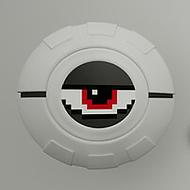
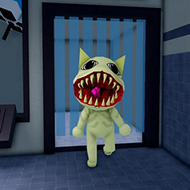
Another Girl In The Wall looks like a quiet found-footage mystery from the thumbnail alone, but it plays like something built to unsettle you slowly rather than hand you a clear objective. This is analog horror territory: grainy footage, a story you piece together instead of one that’s explained to you, and a mystery that stays deliberately incomplete even after the credits roll.
What Another Girl In The Wall Asks of Analog Horror Fans
The genre trades jump scares for atmosphere. Instead of chasing a monster through corridors, you’re usually watching, listening, and re-checking footage or notes for details that don’t add up. Another Girl In The Wall sits in that tradition, asking players to treat every static-filled frame as a potential clue rather than background noise.
That pacing isn’t for everyone. Some players find the slow-burn approach genuinely disturbing precisely because nothing is spelled out, while others find the lack of a concrete goal frustrating, and that split shows up constantly whenever this style of horror game gets discussed.
- Grainy, degraded footage used as the primary way information reaches you
- A fragmented timeline you reconstruct rather than follow in order
- Ambiguous sound design that leaves you unsure what you actually heard
- An ending that raises as many questions as it answers
Getting the Most Out of Another Girl In The Wall
Games built this way reward patience over speed. Rushing through footage or skipping ambient audio tends to mean missing the small inconsistencies the mystery is built on, since the details rarely repeat themselves twice.
Players who enjoy piecing together fragmented narratives tend to get the most out of this kind of game, while players expecting a traditional chase-and-escape structure often come away disappointed. Both reactions are common enough in analog horror communities that neither one should be surprising going in.
Headphones matter more than most players expect going into something like this, since a lot of what makes analog horror unsettling lives in the quiet layers under the main audio track rather than in anything loud or obvious. Playing in a dark room with the volume up tends to change the experience considerably compared to a quick daytime run with the sound low.
What ties Another Girl In The Wall together in the end is restraint: the mystery never fully resolves itself on screen, and whatever conclusion a player walks away with is built as much from what wasn’t shown as from what was.