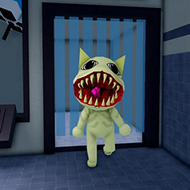
What happens when Chesa stops smiling and starts walking toward you at exactly the pace you’re walking away from her? That’s the question Sabado: Day One keeps circling back to, long before it ever tells you the answer outright.
| Genre |
3D Mystery Anime Horror |
| Platform |
Windows |
| Setting |
Kiwi High School |
| Developers |
Kiwi Dreams, Neuroticfly Games |
Walking the Same Pace as Chesa
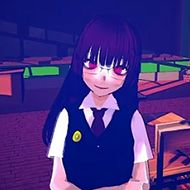
The core tension of the game isn’t a chase in the traditional horror sense — it’s proximity. Chesa moves through the halls of Kiwi High School at a fixed, unhurried walking pace, and the game currently gives you no way to move faster than she does. That forces an odd kind of discipline: outrunning her isn’t an option, so you’re left managing distance, sightlines, and timing instead.
Early players have pointed out that this can misfire in practice. Without a dedicated walk toggle, it’s easy to accidentally run ahead of Chesa when you meant to stay in step with her, which breaks the tension the scene was built around. It’s a fair criticism, and one the developers have acknowledged is still being worked on going into later patches.
Once you understand the pacing, though, the moments where Chesa lingers just behind you in a hallway start to land the way they’re supposed to — quiet, uncomfortable, and never quite resolved until the scene decides it’s over.
What the Beads Item Actually Does
Item names in this game get iterated on between patches — Beads, for instance, was originally labeled “Beed” before a naming fix. Items like this tend to function as memory triggers, tied to specific rooms in the school rather than a generic inventory system. You’re not collecting resources so much as reconstructing what actually happened during your time at Kiwi High School.
This ties directly into the mystery framing of the game. Every object you pick up in the classrooms and hallways is doing double duty: it nudges the plot forward and it reinforces the idea that the space itself remembers more than the people in it.
The Television Timer and Other Set Sequences
One of the more talked-about sequences involves watching a television for a set duration before something changes in the room. The timer on this sequence was originally 60 seconds and was cut down to 30 in a later patch, a small change that noticeably tightens the pacing of that scene without altering what actually happens.
- Enter the room and locate the television.
- Stay in place and watch until the timer completes.
- React to the change in the environment once it triggers.
Sequences like this are where the slower pace of the game is most exposed to criticism. Some players find the held-breath stillness effective horror; others describe fifteen minutes of that rhythm as closer to tedious than tense, especially if the camera stutter reported by several players kicks in during a scene that’s supposed to feel controlled.
Jacob’s Role and the Quiet Parts of the Story
Jacob exists mostly in the margins of Day One’s current build — his voice lines were pulled entirely in one patch for rework, which tells you the writers weren’t satisfied with how his scenes were landing yet. That kind of visible, ongoing revision is unusual to see this clearly in a released demo, and it gives some insight into how the full game is likely to keep shifting.
Chesa remains the emotional center of the story regardless — a childhood friend whose warmth curdles the longer you spend back in the school with her. Players consistently mention her voice work and character design as the strongest parts of the current build, even the ones who are lukewarm on the pacing elsewhere.
Why Sabado: Day One Feels Slower Than Typical Horror
This isn’t a jumpscare-driven experience in the way a lot of anime-horror walking sims are marketed. Sabado: Day One leans on long pauses, ambient dread, and a story about revisiting your old high school one familiar room at a time. That’s by design, but it’s also the single most common point of criticism in early feedback — some reviewers describe the suspense builds as leading nowhere often enough to become predictable rather than unsettling.
It’s a legitimate trade-off worth naming honestly: the game asks for patience most horror titles don’t, and not every player is going to find that patience rewarded scene to scene, even if the overall mystery holds together by the ending.
Sabado: Day One as a Work in Progress
What’s currently available is explicitly a demo, and the devlog shows near-weekly patches — voice line changes, timer adjustments, item renames — which means the version you play today may differ meaningfully from what ships later. That’s worth knowing going in, since some rough edges players report, like camera jitter while walking, may already be addressed by the time you install it.
- How do you evade Chesa in Sabado: Day One? Match her walking pace rather than trying to outrun her — there’s currently no faster movement option, so managing distance and staying out of her sightline in hallways matters more than speed.
- What does the television sequence actually require? You need to stay in the room and watch until the timer runs out, currently set to 30 seconds after being reduced from an original 60.
- Is Sabado: Day One a finished game? No — it’s a public demo under active development, with the developers releasing frequent patches covering voice lines, item names, and pacing fixes ahead of a full release.
Sabado: Day One works best when you stop treating Chesa like a monster to escape and start treating her like a memory you can’t quite outwalk, which is exactly the discomfort the school hallways and that ticking television timer are built to sustain.