
Girls Games
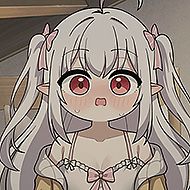





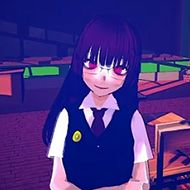



















Girls Games bring together dress-up, decorating, cooking, and story-driven titles that focus on creativity, styling, and gentle problem solving rather than fast reflexes. The section on Thechoicervoicergame spans dozens of small formats, from outfit builders to pet care routines.
Core Formats Inside the Category
Girls Games group several recurring formats: dress-up and styling, room or house decoration, cooking and baking simulations, pet or character care, and light narrative adventures. Each game uses a slightly different interaction style — dragging clothing items onto a figure, arranging furniture pieces, following a recipe sequence — but all share a focus on aesthetic choice and personal expression rather than competition against a clock.
- Dress-up and outfit-matching activities
- Room, house, and salon decoration
- Cooking, baking, and recipe-based sequences
- Pet and character care routines
- Light story adventures with choice-driven paths
Styling and Customization as a Central Mechanic
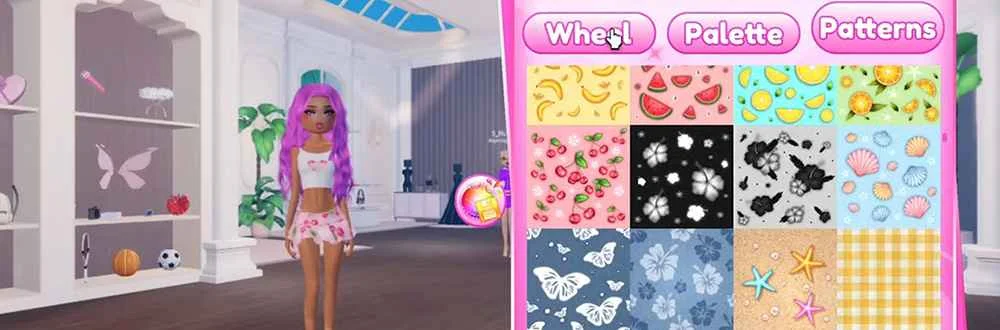
Customization sits at the heart of many Girls Games. A player selects colors, patterns, accessories, and hairstyles, building a look piece by piece rather than following a fixed template. This mechanic rewards experimentation: trying an unusual color combination costs nothing and can simply be changed again, which makes the format approachable for anyone who wants to explore without pressure or a wrong answer.
Cooking and Recipe-Based Sequences
Cooking games translate kitchen tasks into a series of ordered steps — chopping, mixing, baking, plating — usually within a set time window. The challenge here is closer to organization than speed alone, since ingredients often need to be prepped in a particular order before the next stage can begin. Some cooking games add a scoring layer based on presentation, rewarding attention to small details like garnish placement or portion size.
Caretaking and Simulation Elements
A separate branch of Girls Games revolves around caretaking, where a player looks after a pet, baby character, or small household over a series of short sessions. These formats usually track simple needs — hunger, cleanliness, mood — and ask the player to respond appropriately, turning routine actions into a light management task. The pacing tends to be slower and more forgiving than in caretaking formats built for other categories, which suits repeated short visits rather than one long session.
Story and Choice-Driven Adventures
Narrative-based games lean on branching choices rather than combat or timed obstacles. A player might guide a character through a school day, a friendship storyline, or a small mystery, picking dialogue or action options that shape how the scene unfolds. Because outcomes depend on earlier choices, replaying the same adventure with different picks often reveals a noticeably different scene or ending.
- Pick a format based on mood — styling, cooking, caretaking, or story
- Follow the early prompts to learn the interface
- Experiment with combinations once the basics feel familiar
- Revisit favorite scenarios with different choices or outfits
Why the Category Appeals to Different Ages
Among Girls Games, a younger player can enjoy a simple dress-up sequence, while an older player might gravitate toward more detailed decoration or layered story options. This category works across a wide age range partly because difficulty rarely gates progress the way it does in reflex-based games. Because there is no strict fail state in most entries, sessions can be picked up or set aside freely without losing meaningful progress.
Pacing and Session Length
Most Girls Games are built for short, self-contained sessions rather than long-term progress systems. A styling or cooking round typically resolves within a few minutes, which makes the category well suited to quick breaks. Even the caretaking and story formats, which can technically be revisited over many sessions, rarely punish a player for stepping away partway through, since progress is tied to small completed scenes rather than a continuous save that can be lost.
Color, Pattern, and Detail as Design Tools
Because so much of Girls Games depends on visual choice, many of the games lean heavily on color palettes, pattern libraries, and small decorative details as the main tools available to the player. Matching or contrasting colors, layering patterns, and adjusting small accessories all function as the primary decisions, standing in for the more mechanical choices — weapons, routes, timing — found in faster-paced categories. This makes attention to detail, rather than speed, the skill most rewarded across Girls Games as a whole.
Across all these formats, the common thread is control over a small, personal outcome — an outfit, a dish, a room, a storyline — rather than a race against an opponent or a clock. That focus on creative decision-making, more than any single genre label, is what ties Girls Games together as a category and keeps the games here distinct from faster, competition-driven collections elsewhere on the site.