Usuimo starts with a condition that never goes away: Mio is sick, and no doctor can help her. You play as Kuroha, a young man who has decided that the answer to her illness is somewhere inside the Abyss — a massive underground labyrinth that appeared in the world ten years before the game begins. Every dungeon run Kuroha takes is motivated by that single goal, and the game makes sure you feel the weight of it by giving you a life at home with Mio that is genuinely warm before asking you to descend again.
| Genre |
Life simulation / roguelite action |
| Platforms |
Android, PC |
| Protagonist |
Kuroha |
| Companion |
Mio |
| Dungeon |
The Abyss |
The Two-Layer Structure of Usuimo
Usuimo operates in two distinct modes that alternate across each in-game day. At home, you cook meals, have conversations with Mio, watch shows together, and share small routines that slowly reveal more about who she is. These scenes are fully animated and voiced, which changes how they land. Reading a text box and watching Mio react to something Kuroha says are different experiences, and the animation investment makes the home layer feel like something worth returning to rather than a transition screen before the real game.
When Kuroha descends into the Abyss, everything changes texture. Combat is real-time, movement matters, and the dungeon layout is procedurally generated so no two runs feel identical. You dodge, strike, and time abilities against monsters that hit back quickly if you lose focus. Items and equipment picked up during runs carry over and let you experiment with combinations across multiple descents. Players who spend their first several hours treating Abyss runs like an afterthought to the home simulation tend to stall out once enemies start hitting harder.
One thing Usuimo does that most roguelite games don’t is make you care about coming back. The home layer is not a reward screen — it is its own investment. By the time you are around sixty days into a playthrough, the mystery surrounding Mio and the Abyss has expanded enough that players who started purely for the dungeon gameplay find themselves reading every home scene carefully for new context.
What Beginners Miss in Usuimo
The most common early mistake is treating Abyss runs as purely resource-gathering trips. The dungeon contains vendors, hidden information, and equipment that changes how future runs play. Players who rush through the Abyss without exploring encounter scaling that outpaces their gear well before the story starts giving real answers. Taking time to look for alternate paths on each run, even when the primary objective seems clear, consistently results in stronger builds by the time the Abyss’s deeper sections become available.
Mio’s mood is a mechanic, not just atmosphere. How Kuroha spends time at home — which meals he cooks, which conversations he engages with fully — affects the relationship and what scenes become available. Players who skip home interactions to loop Abyss runs faster often miss content that only unlocks through accumulated time with Mio. The game is specifically designed so that ignoring one layer makes the other layer feel thinner.
Difficulty and the Abyss’s Late Game
Usuimo’s combat starts accessible and gets progressively more demanding as Kuroha descends further. The real-time system rewards players who learn enemy patterns — the same discipline that makes traditional roguelites satisfying applies here. Adventurers who prefer methodical play over reflex-heavy action sometimes find the deeper Abyss sections frustrating before they click. Players more comfortable with action timing consistently describe the mid-game as the point where Usuimo starts feeling like a complete game rather than two halves that happen to share a save file.
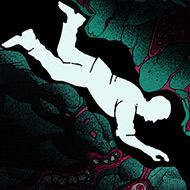
One advanced technique the community mentions is using falls strategically with specific items. Certain drops in the Abyss that look like instant failures can be survived with the right gear equipped, and doing so can skip sections or reveal shortcuts that dramatically change run efficiency. This kind of discovery is exactly what the game rewards patient, exploratory players for finding.
Usuimo is honest about its scope — the cast is small, and dungeon runs can start to feel repetitive once the early novelty wears off. Players expecting a large ensemble or constant combat variety may find the pacing lean. But for players drawn to the combination of quiet emotional storytelling and tense dungeon runs, the structure holds together in a way that few games in either genre manage on their own.
FAQ
How does Mio’s illness connect to the Abyss story?
The game reveals the connection gradually through home conversations and items Kuroha finds during runs. The Abyss appeared roughly ten years before the story begins, and the link between its appearance and Mio’s illness is part of what the mid-game mystery slowly uncovers. Paying attention to both home dialogue and in-dungeon notes across multiple days gives context that neither layer provides on its own.
Do Abyss runs get harder the further into the game you are?
Yes, the deeper sections of the Abyss introduce monsters with significantly more health and faster attack patterns than the early floors. Equipment and skills collected over multiple runs are the primary way to offset this scaling. Players who focus on combination-building — pairing active skills with equipment that extends their uptime — report more consistent deeper runs than those who default to a single approach that worked early on.
Is there a reason to replay Usuimo after finishing?
The game has late-game goals tied to specific items, skill combinations, and Abyss sections that most players do not reach on a first playthrough. The relationship with Mio also has additional scenes that depend on how consistently players engaged with home activities across the full run. Players who moved quickly through story beats on their first file often find a second playthrough reveals dialogue branches and Abyss encounters they missed entirely.
Usuimo earns its emotional weight by refusing to keep the Abyss and home life separate — every clean run Kuroha completes lands differently once you know Mio well enough to understand what he is coming back to. The real-time combat in the Abyss’s lower floors demands actual skill once the run count climbs, and the mystery of what the labyrinth and Mio’s condition share keeps the story from feeling like a backdrop to a dungeon game. It is a small game with a specific audience, and for that audience it works precisely as intended.