FEED THE FISH tells you almost nothing in its opening minutes — just a fish tank, a trailer, and a warning not to look out the window. That last part is the one most players ignore first, and it’s the one that starts everything going wrong.
The Trailer, the Tank, and Your One Job
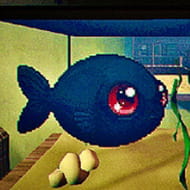
The setup is deliberately small. You’re alone in a trailer for a quiet evening, a newly bought black fish swimming in its tank, and your only stated task is simple: don’t let it starve. Nothing about the opening suggests FEED THE FISH is going to escalate the way it does, which is exactly the point — the horror here builds from mundane repetition, not an early jump scare.
As the session goes on, the fog outside thickens and the sky shifts into a sickly red, and that shift is the game’s clearest signal that the routine you’ve settled into isn’t going to hold. Players who treat the early minutes as a slow walking sim tend to be caught off guard by how quickly the tone turns.
Feeding as the Core Mechanic
Feeding the fish is handled through a simple interact prompt — E or a left click brings food to the tank — but the game leans on that simplicity rather than fighting it. One of the most consistently mentioned moments in comments is the jump scare tied directly to the feeding animation itself, which catches new players precisely because the act feels safe until it isn’t.
Right-click zoom lets you look closer at the tank and the surrounding trailer, and several players describe using it compulsively once the fish starts changing, checking details they’re not sure they actually want confirmed. That instinct — zooming in against your own better judgment — is part of what makes FEED THE FISH land as effectively as it does in a short runtime.
Distorted Faces and the Neighbors Outside
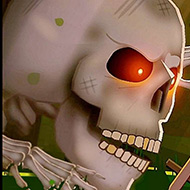
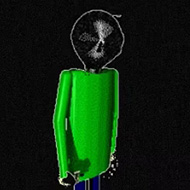
Once the fog sets in, distorted faces and unsettling figures start appearing at the edges of the trailer, watching rather than approaching. Several players describe the neighbors specifically as the detail that unsettled them most, since their behavior reads as almost normal until it very clearly isn’t. One recurring comment across reviews is confusion about whether the people outside were ever human to begin with, and the game never fully answers that question.
Retro PSX Visuals and Analog Horror Roots
The low-poly PSX look paired with a CRT-style filter places FEED THE FISH firmly in the analog horror aesthetic that’s been popular in short indie horror for a while, but players who’ve finished it note that the game doesn’t stay there. What starts as a grounded, VHS-flavored haunting shifts by the end into something closer to cosmic horror, and that tonal jump is one of the most debated parts of the whole experience — some players find it earns the shift, others feel it happens too fast for a game this short.
The evolving fish itself is central to that shift. More than one player has described watching it change shape over the course of a single sitting as the moment the game stopped feeling like a haunted-house riff and started feeling like something stranger entirely.
The Text File and What It Leaves Behind
One mechanic that’s generated a lot of discussion is easy to miss if you’re not paying attention: FEED THE FISH creates an actual text file on your computer as part of the experience, separate from anything shown on screen. Players who’ve noticed it describe the moment of realizing it happened as more unsettling than most of the in-game scares, since it breaks the boundary between the trailer on screen and the desktop you’re sitting at.
The note left behind at the very end ties into this same idea, and multiple players single it out as the detail that stuck with them longest after finishing — described by more than one commenter as sending a chill down their spine well after the credits rolled.
Why the Ending Divides Players
Ask around and you’ll get very different reactions to how FEED THE FISH wraps up. A number of players openly admit they don’t fully understand what happened by the final scene, and several reviews describe the ending as abrupt given how much dread the middle section builds. That confusion isn’t universally seen as a flaw — plenty of players say not understanding the ending is part of what made it stick with them — but it’s a real and common criticism worth going in with clear expectations about.
Performance is the other honest complaint. A handful of players have reported stutters and slowdown during the more intense later stretches, which can undercut tension at exactly the wrong moment in a game this dependent on atmosphere.
How long does FEED THE FISH take to finish?
A single sitting runs roughly ten to fifteen minutes, which is short even by short-horror-game standards. Most players finish it in one session without pausing, since stopping partway tends to undercut the escalating dread the trailer setting is built around.
What actually happens to the fish by the end?
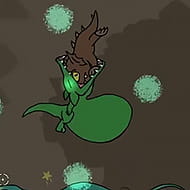
The fish visibly changes over the course of the playthrough, and that transformation is tied directly to the shift from grounded, analog-style dread into something closer to cosmic horror. The game never explains the change outright, which is a big part of why the fish’s evolution gets brought up so often in comments.
Does FEED THE FISH really create a file on my computer?
Yes — the developer states directly that a text file gets created on your machine as part of the experience, and it’s tied to the ending rather than being incidental. Players who go in without knowing this tend to react to discovering it almost as strongly as they react to the in-game scares themselves.
Whatever you make of the note left behind or the shape the black fish takes on by the end, FEED THE FISH earns its short runtime by trusting a fish tank and a foggy trailer window to do the unsettling work most horror games need far longer to build.
v