FIFA Soccer looks like a quick pick-up-and-play kickabout, but it plays like a game that punishes anyone who stops watching their own positioning for more than a couple of seconds. The moment you switch off and just chase the ball, space opens up behind your own defenders and the scoreline turns against you fast.
| Genre |
Arcade sports |
| Match Format |
Single short match, one opponent |
| Controls |
Directional movement, pass, shoot, tackle |
| Session Length |
A few minutes per match |
Matches and Scoring in FIFA Soccer
Every match in FIFA Soccer runs on a short clock, which changes how you’re supposed to approach the opening minutes. Sitting back and waiting for a perfect chance usually backfires, since there isn’t enough time on the clock to out-patience an opponent who’s already committing players forward.
Beginners tend to make the same mistake early: chasing the ball with every player on the pitch instead of holding a shape. That leaves the defense hollowed out, and a single successful pass through the middle turns into a clean run at goal.
The longer a match goes, the more aggressive the opposing side tends to play, especially once the scoreline is close — possession can flip several times in the closing stretch, and a lead that felt safe with two minutes left rarely feels that way with thirty seconds on the clock.
Controls and Basic Tactics in FIFA Soccer
The control scheme stays deliberately simple, which is part of what makes the game easy to pick up and hard to fully master.
Passing moves the ball to a teammate and is the safest way to build an attack without losing possession outright. Short, simple passes chain together far more reliably than a long ball aimed at open space.
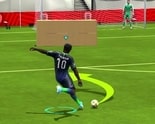
Shooting sends the ball toward goal, with timing and distance both affecting whether it actually goes where you aimed it. A mistimed shot from a bad angle is the single biggest reason first attempts miss the target completely.
Tackling wins the ball back but carries real risk. A mistimed tackle inside your own box hands the opponent a dangerous scoring chance instead of ending the attack cleanly.
Most matches come down to whichever side commits fewer of these small execution mistakes, not which side has flashier movement, and that’s exactly the kind of detail that only becomes obvious after a few losses in a row.
FIFA Soccer rewards patience more than reflexes once you get past the first few matches, and the difference between a comfortable win and a nervy final whistle usually comes down to positioning rather than raw shot power. Stay organized at the back, time your tackles instead of lunging, and the scoreline tends to take care of itself.