The Hole doesn’t ask nicely. Something is calling from beneath the Village, and the only way to answer is to drill down, mine, and drag your Mini’Ohs along for the ride. Hole is Mine dresses up its incremental core in enough personality and lore that it rarely feels like the number-crunching game it technically is underneath.
| Genre |
Incremental adventure / mining sim |
| Platform |
Windows |
| Core Mechanic |
Drilling with Mini’Ohs, equipment loadouts, Village upgrades |
| Estimated Playtime |
Around 5 hours for the main story |
Shelly, the Drill, and Getting Into the Hole
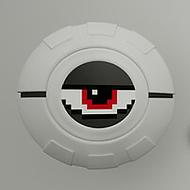
You control Shelly, the drill that carries you into the abyss, and everything about your first few expeditions revolves around breaking through blocks to reach trapped Mini’Ohs buried in the rock. It takes a handful of hits to crack a single tile early on, which some newcomers find slower than expected given how fast the pace picks up later.
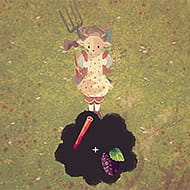
Once a Mini’Oh is rescued, it doesn’t just follow you passively — it starts mining automatically, chipping away at nearby blocks on its own. This is the moment Hole is Mine shifts from a hands-on digging game into something closer to a management sim, since your job increasingly becomes about positioning and equipping your growing crew rather than swinging Shelly yourself.
Resources collected during an expedition return to the surface with you even if the run ends badly, which softens the sting of a rough descent and keeps runs from ever feeling wasted.
Rebuilding the Village Between Expeditions
The Village is your hub between dives, and it’s where the game’s incremental backbone really shows. Over 200 individual upgrades are spread across the Village’s systems, covering everything from Mini’Oh recruitment speed to the resources you can process after each trip.
Early Village upgrades feel almost automatic, since you’ll have more resources than upgrades to spend them on. That balance flips fast once you’re several Caves deep, and choosing which Village systems to prioritize becomes a genuine strategic decision rather than a formality.
Long-time incremental players will recognize the familiar tension of watching numbers climb while deciding what to reinvest in, but the Village’s visual growth — new buildings, more villagers milling around — gives that progress a physical shape that a lot of pure number-based idlers lack.
Equipping Mini’Ohs for the Depths
Gear is where Hole is Mine gets genuinely deep. More than 20 equipment types exist, from masks and helmets down to pickaxes and backpacks, and stacking the right combination on a Mini’Oh can completely change how it performs during an expedition.
- Recruit a Mini’Oh from the rock during an expedition and bring it back to the Village.
- Equip it with gear pulled from your stockpile, matching parts to the role you want it to play underground.
- Send it back into the Hole and watch how its new loadout changes its mining speed or survivability against Cave hazards.
- Adjust the build once you unlock higher-tier equipment upgrades, since early gear stops scaling well past the first few Caves.
With over 80 equipment upgrades layered on top of the base gear, min-maxers can spend a genuinely long time chasing synergy builds, while more casual players can equip whatever’s strongest and still make steady progress.
Descending Through the Caves
Each Cave introduces new hazards and, eventually, a boss guarding the way deeper. The Tentacle Totem generator is one of the more memorable mid-game unlocks, since it changes how you’re expected to farm resources once high-cost Tentacle upgrades become available. Skipping it early tends to leave players stuck grinding older Caves for currency that’s already becoming obsolete.
By the time you reach a Final Boss encounter, the game expects you to have built up a genuinely equipped team of Mini’Ohs rather than relying on Shelly alone. These fights lean on pattern recognition, and recent updates have made boss telegraphs clearer after players struggled to tell when a boss was protecting itself.
Where Hole is Mine Struggles
The main story mode is polished, but Endless mode is a genuine sticking point for some players, with performance dropping noticeably during longer sessions on lower-end machines. It’s the most consistent complaint in community discussions, and it stands out precisely because the rest of the game runs so smoothly.
A smaller but recurring frustration involves certain upgrade descriptions not clearly reflecting what they actually change in-game, leading to confusion about whether an upgrade is working as intended.
Community Terms Worth Knowing
Regulars in Hole is Mine spaces refer to bug-fix patches as “holefixes,” a bit of community-adopted branding that’s stuck since launch. You’ll also hear “farming a Cave” used to describe replaying an earlier level purely for resources rather than progression.
The community also tends to sort itself into distinct playstyles.
- Completionists — players who chase every equipment combination and Village upgrade before pushing deeper into the Caves.
- What does Shelly actually do in Hole is Mine? Shelly is the drill you personally control, used to break blocks and rescue trapped Mini’Ohs before they begin mining on their own.
- How many equipment combinations are there in Hole is Mine? With more than 20 equipment types and over 80 upgrades layered across them, the game advertises 500-plus meaningful combinations for outfitting a single Mini’Oh.
- Is Endless mode worth playing in Hole is Mine? It extends the core loop past the main story, but players on weaker hardware have reported performance issues that make longer Endless sessions less smooth than the story campaign.
Somewhere around your third or fourth Cave, watching a fully geared Mini’Oh mine circles around you without any input is the moment Hole is Mine stops feeling like a simple digging game and starts feeling like the management sim it always was underneath.