Headphones aren’t optional for Shutter Story — the game tells you that upfront, and it’s not a stylistic suggestion. This is a short analog-horror experience built around a handful of focus-based tests, and most of what makes it work is audio you’d simply miss playing through laptop speakers.
| Genre |
Analog horror |
| Runtime |
Roughly 15 to 30 minutes |
| Audio |
Headphones strongly recommended |
| Accessibility |
Difficulty reduction available for mouse-dexterity sections |
Balancing the Bar and Staying Focused
The central mechanic in Shutter Story revolves around keeping a bar balanced while a test runs, and it sounds simple described that way — until the screen starts working against you. Bar control: small, constant corrections work far better than large overcorrections, since overcorrecting tends to send the bar swinging past center rather than settling it.
What makes these sections genuinely tense is that Shutter Story never lets you focus purely on the mechanic. Visual noise, sudden brightness shifts, and audio cues all compete for your attention while you’re trying to hold that bar steady, and losing focus for even a moment is usually enough to fail the test outright.
The Glitch Effects in Shutter Story Aren’t Just Decoration
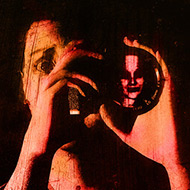
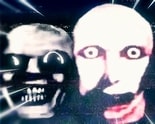
Quick cuts between bright and dark frames run through Shutter Story constantly, and they’re doing real work rather than existing purely for atmosphere — several of the game’s scares are timed specifically to land during these glitch moments, when your eyes are already struggling to adjust. Players sensitive to rapid flashing should be aware of this before starting, since the effect is frequent rather than occasional.
This is also where the accessibility settings matter most. Shutter Story includes an option to reduce the demands of the mouse-dexterity sections specifically, which softens the toughest bar-balancing stretches without removing the horror atmosphere built around them.
What Makes the Short Runtime Feel Longer
At fifteen to thirty minutes, Shutter Story is short on paper, but the tension doesn’t let up enough for that runtime to feel brief in the moment. There’s very little downtime between tests, and the game leans into that density rather than pacing itself out with quieter breathing room the way longer horror games often do.
Some players find that density genuinely effective, while others feel the game would benefit from a slower build rather than staying at a high tension level almost the entire way through — a fair point for a game this committed to constant pressure over slow-burn dread.
Do you need headphones to play Shutter Story?
They’re strongly recommended rather than strictly required, but a significant portion of the tension relies on audio cues that are easy to miss without them.
Is there an easier mode for the mouse-based sections?
Yes — Shutter Story includes a setting specifically aimed at reducing the difficulty of its mouse-dexterity tests for players who find them too demanding.
Shutter Story doesn’t need a long runtime to leave an impression, because every minute of it is doing something — testing your focus, testing your reflexes, or testing how well you can hold steady while the screen actively works against you. By the time the last test ends, thirty minutes feels like it stretched a lot further than the clock says it did.