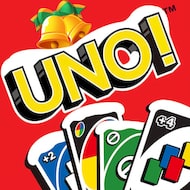
Seven cards in your hand, one card down on the pile, and the entire game of UNO can turn on a single Draw Four played at exactly the wrong moment for whoever’s sitting to your left. This version leans into the social side of the classic card game, building table rules and shared matches around the same core deck everyone already knows.
| Genre |
Card game |
| Players |
Multiple, seated around a shared table |
| Core deck |
Number cards plus action and wild cards |
| Win condition |
Empty your hand before your opponents |
The Action Cards That Actually Decide Matches in UNO
Skip, Reverse, and Draw Two cards look like minor disruptions on paper, but stacked together at the right moment they can flip a losing hand into a winning one. Reverse cards matter most in three-or-more-player matches, where flipping turn order can skip an opponent who was about to play their last card.
Wild and Wild Draw Four cards carry the real weight, though — choosing which color to switch to isn’t just about your own hand, it’s about denying the color the next player was clearly building toward. Reading what colors opponents have been avoiding is a quiet skill that separates casual UNO play from genuinely competitive play.
- Skip: removes the next player’s turn entirely.
- Reverse: flips turn order, which matters most with three or more players.
- Draw Two / Wild Draw Four: forces a card penalty while also changing momentum.
Calling UNO and the Penalty for Forgetting
The single most common way a strong hand falls apart is forgetting to call UNO the moment you’re down to one card. Miss that call and get caught before your next turn, and the penalty draw undoes whatever advantage you’d built up over the previous several rounds. It’s a small rule, but it’s responsible for more upset matches than any specific card in the deck.
Experienced players treat the UNO call as an active habit rather than an afterthought, calling it the instant a hand drops to one card rather than waiting until it feels necessary.
Reading the Table Before You Play a Wild
Beginners tend to play wild cards reactively, using them the moment they’re drawn rather than holding them for a moment where the color switch actually hurts an opponent. Holding a wild card back, even at the cost of a slightly awkward hand, is often worth more than playing it the turn it’s drawn.
By the time a match reaches its final few turns, hand-reading matters more than raw luck — watching which colors and numbers opponents have been passing on tells you almost as much as seeing their cards directly.
What happens if you forget to call UNO?
If you’re caught with one card and haven’t called it before your next turn, you typically draw a penalty that erases the advantage of being close to winning.
Do Wild Draw Four cards always work regardless of hand?
Traditional house rules often require you to have no matching color card to legally play a Wild Draw Four, though this varies by table rules being used.
Does Reverse do anything in a two-player match?
In a two-player match, a Reverse effectively functions the same as a Skip, passing the turn back to the player who played it.
UNO stays this popular because the core deck never really needed updating — the tension of a well-timed Draw Four, the panic of forgetting to call your last card, and the small social theater of watching everyone react to a Reverse all still land exactly the way they always have. Sitting down for one match rarely ends with just one.